
Is It Worth Booking a Venue With a Sound Limiter?
You’ve found the perfect venue. Beautiful rooms, great location, the right price. Then the coordinator mentions it has a sound limiter. Is that a deal-breaker? Usually not. Here’s what it means and how to make it work.
What is a sound limiter?
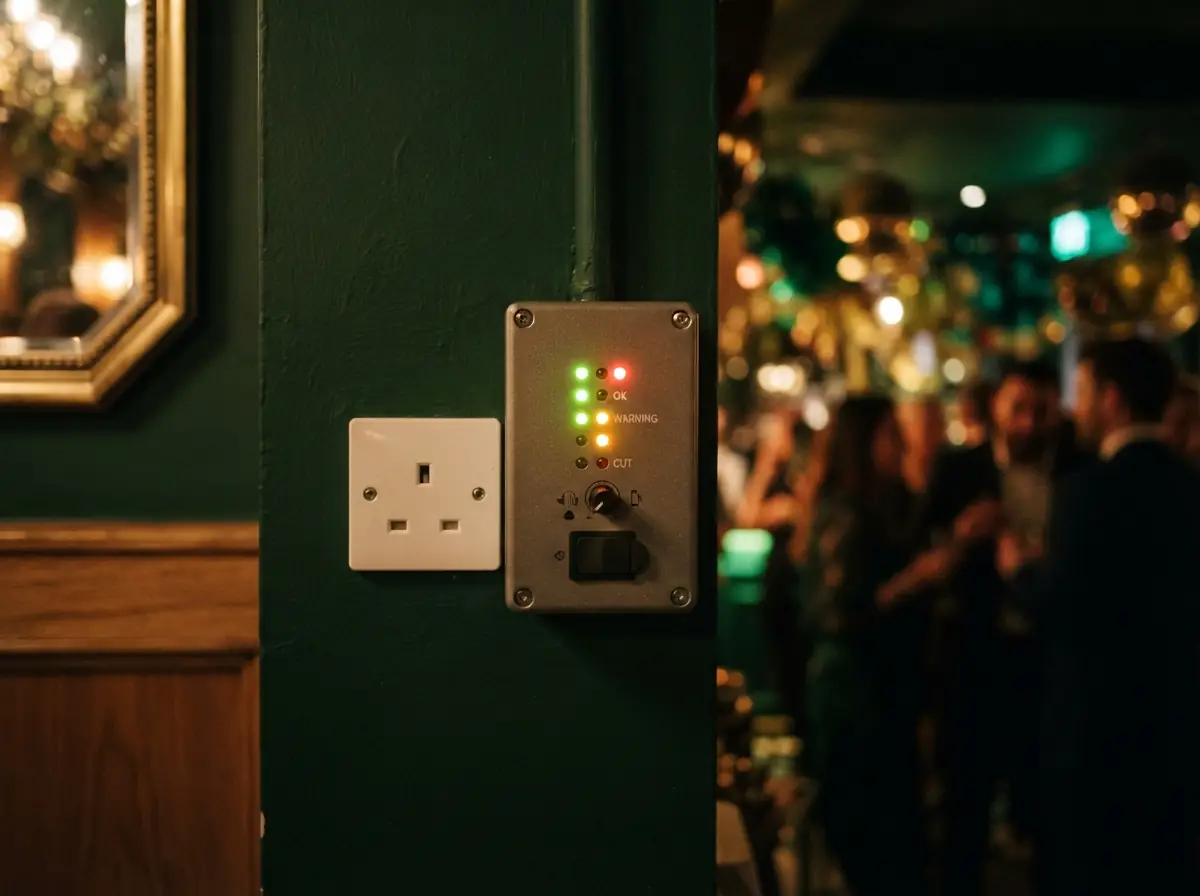
A sound limiter is a small device that measures the volume in a room. If the sound goes above a level the venue has set, it gives a warning, normally a row of lights moving from green to amber to red. If the volume stays too high, it cuts the power to the sockets the music equipment is plugged into, usually for a few seconds.
Why do venues have them?
Almost always, it’s about the neighbours. Venues near homes, in historic buildings or in town centres have licence conditions set by the local council. A limiter is how they guarantee they stay within those limits, avoid complaints and keep their licence. It isn’t the venue being difficult. It’s often the reason they’re allowed to host parties at all.
Which events does it affect?
For dinners, drinks receptions, ceremonies and corporate networking, a limiter makes almost no difference. Those events run well below the threshold anyway.
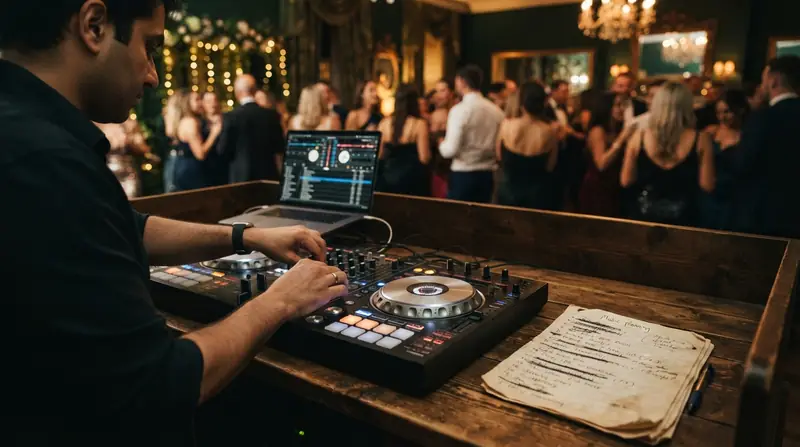
Where it matters is the dance floor. A low limit can make a party feel flat if the entertainment isn’t used to working with one, and a cut-out in the middle of the big singalong is a mood killer. That’s why the team you book matters so much.
How a good entertainment team works with a limiter
- Visit or check the venue first. We’ll find out the limit and where the sensor sits before the day.
- Sound check properly. We set the system up to sound full and rich at a lower volume, with speakers placed and angled for the room.
- Use better sound, not more sound. Clean, well-positioned speakers feel louder and more exciting than a distorted system turned up high.
- Watch the levels all night. Our team keeps an eye on the limiter throughout, so it never reaches the cut-out point.
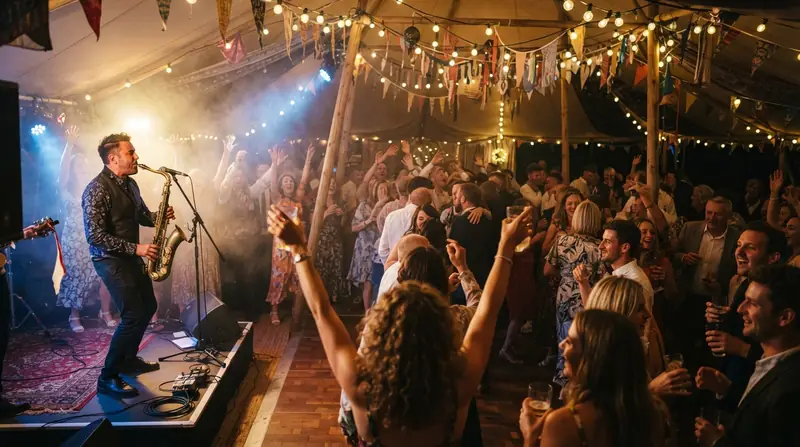
- Choose the right instruments. Live sax and percussion are acoustic, so they add energy without relying on extra volume.
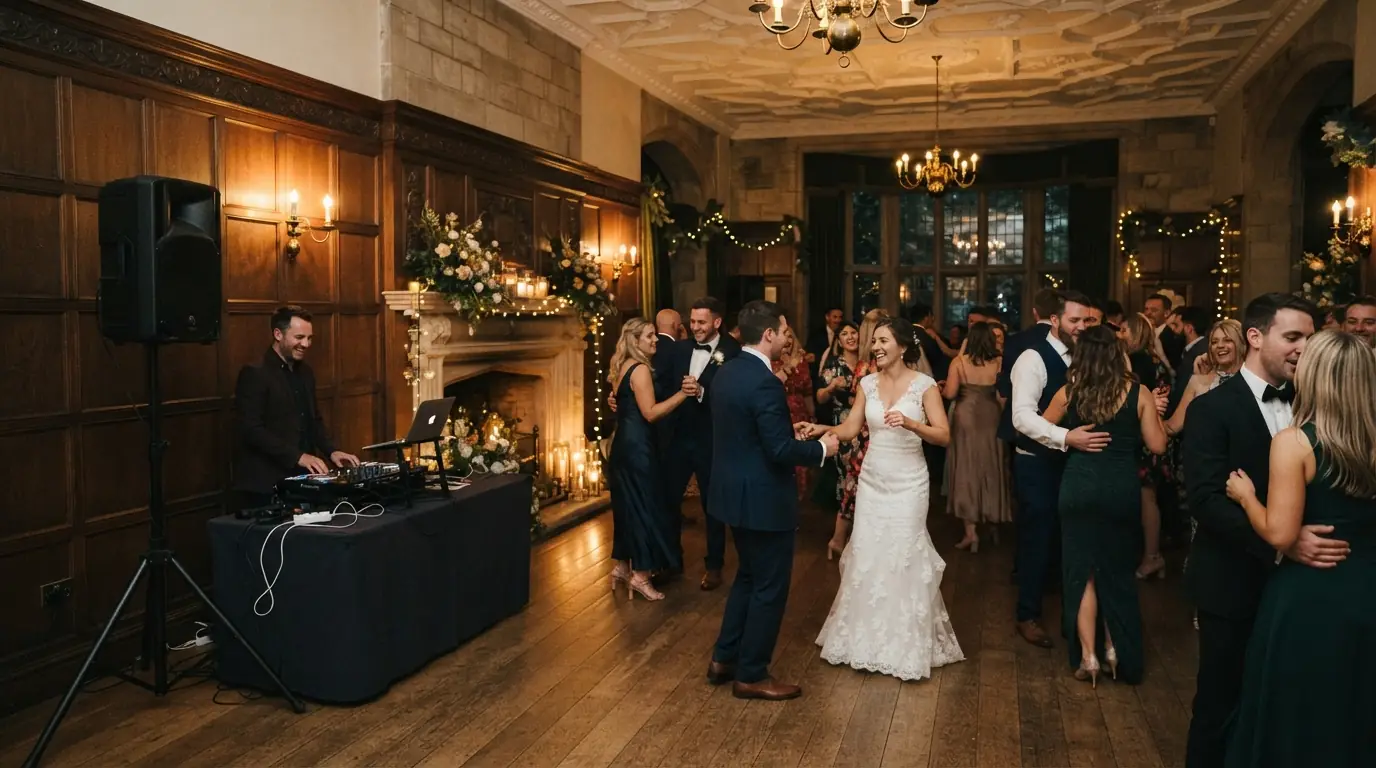
We’ve played packed dance floors at venues with tight limits. Nobody ever knew, because the energy came from the room, not the volume knob.
So, should you book it?
If you love the venue, a limiter on its own isn’t a reason to walk away. Ask the coordinator three things: what the limit is in decibels, where the sensor is, and whether other entertainers have worked there happily. Then book entertainment that’s experienced with limiters.
If your top priority is a loud, all-night rave, a venue without a limiter (or with a high one) will give you more freedom. For most weddings and parties, though, a great team makes the difference far more than the decibels do.
Booking a venue with a limiter? Tell us where it is and we’ll let you know how we’d approach it. You might also like our guide to why a professional DJ makes the difference.
Frequently asked questions
Will a sound limiter ruin my wedding party?
Not with an experienced team. We sound check beforehand, set the system up for the room and monitor levels all evening so the music never cuts out.
What is a typical sound limiter level?
It varies a lot between venues. Ask your coordinator for the exact figure and where the sensor is located, and pass that on to your entertainment.
Can live musicians play in a venue with a sound limiter?
Yes. Saxophone and percussion are acoustic instruments, so they add live energy without needing more amplification. We balance them carefully during the sound check.